What year one really costs, and where to start
- Under 50 employees: plan on roughly $35K–$79K all-in for a first SOC 2 Type 2 Estimate. License ranges overlap almost completely. Secureframe has the lowest top of range, and Vanta and Drata both publish startup discounts, so get all three quotes.
- 50–200 employees: roughly $43K–$99K Estimate. The license is now the biggest single line. Pick on integration fit first, then use the cheapest credible quote to negotiate.
- 200+ employees: roughly $86K–$209K+ Estimate. The audit fee can match or exceed the license, so the auditor you choose matters as much as the platform.
| Company size | Vanta | Drata | Secureframe |
|---|---|---|---|
| Under 50 employees | $35K–$79K | $35K–$79K | $35K–$74K |
| 50–200 employees | $43K–$94K | $43K–$99K | $43K–$89K |
| 200+ employees | $86K–$209K+ | from $111K | $86K–$204K+ |
Search "Vanta vs Drata vs Secureframe" and most results compare features and list prices. Neither tells you what you'll actually spend. The license is one of four lines on a first-year compliance budget. The other three are the independent audit, a penetration test that most enterprise buyers ask for, and the internal hours your team spends on policies, access reviews and evidence. This page adds up all four for each platform at three company sizes, and labels every number with its source.
Two related questions have their own articles. For a detailed two-way comparison of Vanta and Drata's monitoring, integrations and AWS Marketplace list prices, see Vanta vs Drata. For AI features (questionnaire automation, AI agents and auto-remediation), see Secureframe, Vanta and Drata's AI features compared.
The full total-cost table, line by line
Every row below comes from a published source: a vendor price list, a vendor's own cost guide, or anonymized contract data from the procurement platform Vendr. Rows that combine sources or add an assumption are marked Estimate.
| Cost line | Under 50 | 50–200 | 200+ |
|---|---|---|---|
| Vanta license | $12K–$25K | $20K–$40K | $35K–$60K (200–500, one framework) |
| Drata license | $12K–$25K | $20K–$45K | from ~$60K (enterprise, multiple frameworks) |
| Secureframe license | $12K–$20K | $20K–$35K (1–2 frameworks) | $35K–$55K (200–500, multiple frameworks) |
| SOC 2 Type 2 audit (CPA firm) | $12K–$20K | $12K–$20K | $30K–$100K+ |
| Penetration test | $5K–$15K | $5K–$15K | $15K–$30K |
| Internal hours Estimate | 100–300 h ≈ $6.2K–$18.6K | 100–300 h ≈ $6.2K–$18.6K | at least $6.2K–$18.6K; scope it yourself |
| Total: Vanta Estimate | $35K–$79K | $43K–$94K | $86K–$209K+ |
| Total: Drata Estimate | $35K–$79K | $43K–$99K | from $111K |
| Total: Secureframe Estimate | $35K–$74K | $43K–$89K | $86K–$204K+ |
Sources: License ranges come from Vendr's pricing pages for Vanta, Drata and Secureframe (checked October 2026). Audit and penetration-test ranges for the two smaller bands come from Drata's SOC 2 audit cost guide (March 2026: Type 2 $12K–$20K for small to midsize companies, $30K–$100K+ for large organizations; pentest $5K–$15K). The 200+ pentest range is Bright Defense's published "expanded security testing" tier ($15K–$30K). Internal hours are BD Emerson's year-one estimate of 100–300 hours. We priced those hours at $62.11, the BLS 2025 median hourly wage for information security analysts. That rate is wages only, so loaded cost with benefits will be higher.
What the table tells you
- Below 200 employees, the platform choice moves your total by only about $5K–$10K. The license ranges overlap almost completely. The gap between a lean program and a heavy one comes from the audit, the pentest and your own hours.
- Internal time is real money even with automation. Vanta's help center says its customers should plan about 40 hours for a first SOC 2 readiness effort. That's the vendor's own figure, and it covers readiness only. BD Emerson's 100–300 hours covers the whole first year, including access reviews, auditor interviews and fixing gaps. Budget for the higher number.
- Above 200 employees, the audit can outweigh the license. Drata's own guide puts large-organization Type 2 fees at $30K–$100K+. Choosing the auditor carefully is worth as much as choosing the platform. For the calendar side, see SOC 2 Type 1 vs Type 2.
Year two: what recurs, and the renewal clause
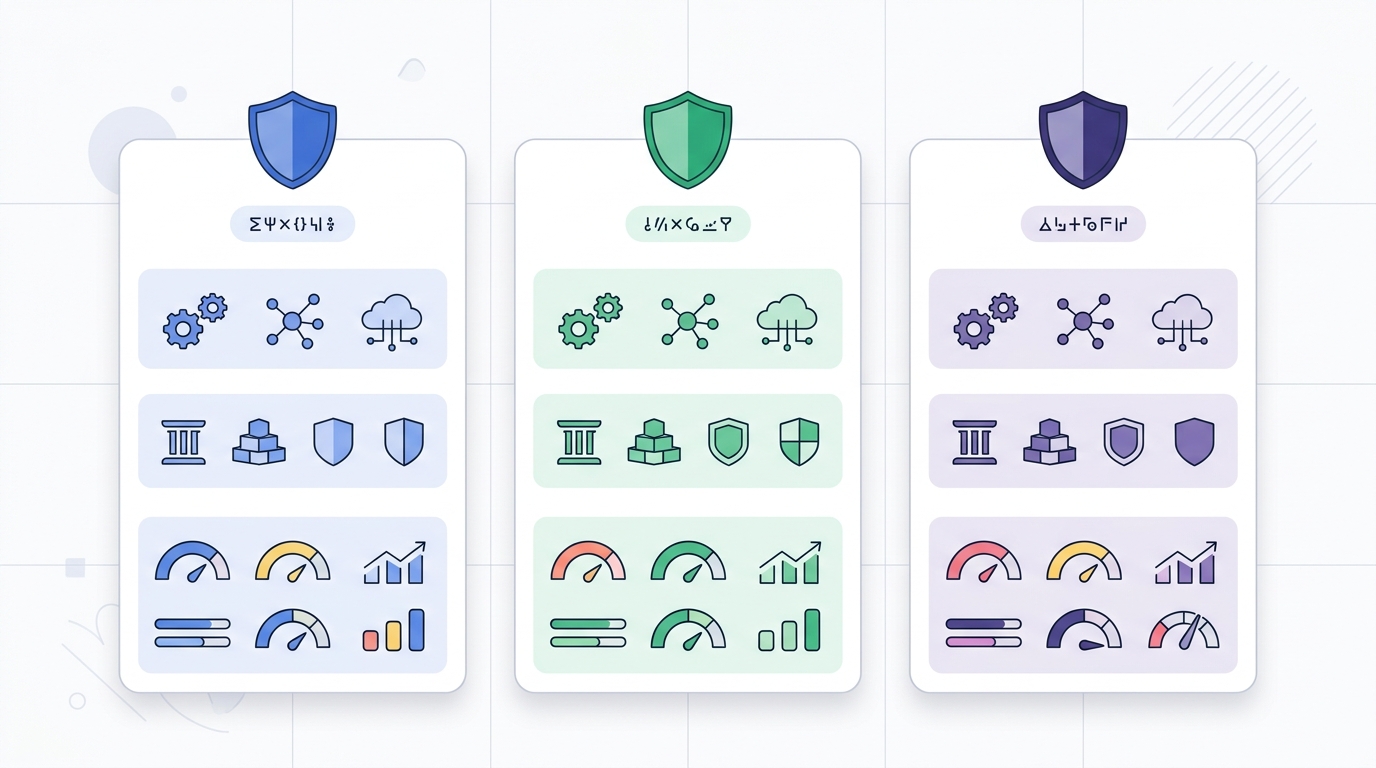
Year two drops the readiness work but keeps everything else. In BD Emerson's steady-state estimate, a Type 2 audit over a 12-month window costs $12K–$40K, the annual pentest $8K–$25K, and internal time falls to 50–150 hours (≈ $3.1K–$9.3K at the BLS rate above) Estimate. Add your platform renewal on top.
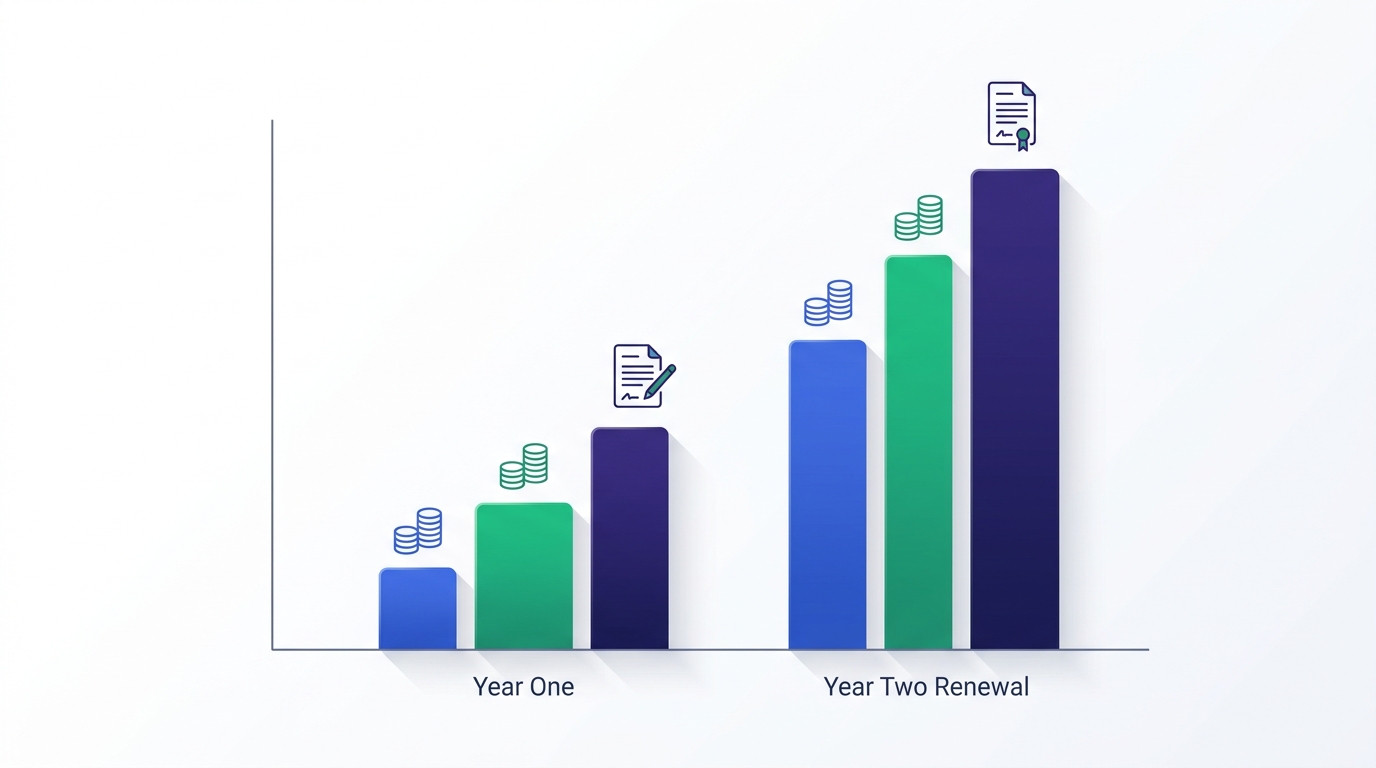
Renewal increases are where comparison articles tend to repeat unsourced numbers, so here's only what we could verify. Vendr reports that Secureframe contracts often allow a 5–10% annual increase at renewal. Thoropass's AWS Marketplace listing allows auto-renewal at up to +7% per year. We found no published renewal figure for Vanta or Drata, which is all the more reason to write a cap into the contract. Vendr also notes that Secureframe pricing tiers often step up at 50, 100, 200 and 500 employees, so a growing company can be repriced even without adding a framework.
Get these into the contract before you sign
- A renewal cap: a written maximum annual increase.
- Add-on framework pricing: what ISO 27001 or HIPAA costs if you add it next year.
- Headcount thresholds: the exact employee count at which your next tier starts.
- Evidence export rights: what you can take with you if you leave. Switching is possible but costly. See our Vanta-to-Drata migration guide for what's involved.
- Startup programs: Vanta offers 25% off for new customers through HubSpot for Startups. Drata offers 25% off a first contract through participating investors. Secureframe's AWS listing mentions special discounts for companies under 10 employees.
Vanta lists 400+ integrations, the most of the three. That matters for total cost because every system it reads automatically is evidence nobody collects by hand. Its AWS Marketplace list price for 1–20 employees starts at $14,000/year (Essentials), with Plus at $21,500 and Professional at $23,000. Add-ons are priced separately, including Trust Center at $6,000. In Vendr's data, Vanta's price range is about the same as Drata's up to 200 employees.
Choose Vanta if your stack includes less common tools and you want the best chance of native coverage. Before you sign, ask which of your systems are covered by native integrations and which controls each one tests.
Pros
- 400+ integrations, the widest catalog here
- Public AWS Marketplace list prices for small teams
- 25% startup offer via HubSpot for Startups
Cons
- Highest list entry price of the three on AWS
- Trust Center and questionnaire tools cost extra
- No published renewal cap; you have to negotiate one
Pursuing your first SOC 2?
Get a quote scoped to your headcount and framework, and ask for the renewal cap in writing.
Drata's AWS Marketplace listing prices a Foundation Package for 1–50 FTE at $15,000/year, a single price for the whole under-50 band. Above 50 employees it's quote-only. Vendr's data puts typical contracts at $20K–$45K for 50–200 employees, and enterprise programs start around $60K. Drata's own cost guide is also where this article's audit and pentest ranges come from.
Drata usually suits engineering-led teams that will run compliance themselves. For a detailed head-to-head on monitoring, integrations and list prices, see Vanta vs Drata.
Pros
- One published price covering 1–50 FTE
- 25% off a first contract via participating investors
- Publishes its own audit and pentest cost ranges
Cons
- Quote-only above 50 FTE
- Widest license range at 50–200 employees
- Highest starting point for enterprise programs
Engineering-led and want control?
Price Drata against your stack and lock in a renewal cap before you sign.
On Vendr's data, Secureframe has the lowest top of range at every size band: $12K–$20K under 50 employees and $20K–$35K at 50–200. Its AWS Marketplace listing shows a $7,500 platform fee plus $7,500 for the first framework. It lists 300+ integrations, and its framework library includes FedRAMP and CMMC 2.0, which matters if federal or defense sales are on your roadmap.
Vendr reports that some onboarding help is included and more hands-on implementation can cost a few thousand dollars to $10K+. Ask whether that's in your quote. Secureframe is also the only one of the three where we found a published renewal-increase range (5–10%, per Vendr).
Pros
- Lowest top-of-range license in every size band
- FedRAMP and CMMC 2.0 in the framework library
- Discounts for companies under 10 employees (AWS listing)
Cons
- Fewer integrations than Vanta (300+ vs 400+)
- Each framework is priced separately on AWS
- Extra implementation help can add up to $10K+
Want a partner, not just software?
Secureframe suits teams that want guided onboarding or have a multi-framework roadmap that includes FedRAMP or CMMC.
Who should choose which
| If you are… | Lean toward | Because |
|---|---|---|
| Under 50 people, cash is tight, stack is mainstream | Secureframe or Drata | Lowest top of range (Secureframe) or a single price up to 50 FTE (Drata). Compare startup discounts. |
| Running many niche tools | Vanta | 400+ integrations means less manual evidence and fewer internal hours |
| An engineering-led team that will run it in-house | Drata | See the Vanta vs Drata breakdown |
| Heading into FedRAMP or CMMC | Secureframe | Both frameworks are in its library |
| 200+ employees with several frameworks | Three quotes against one written scope | Vendr data isn't comparable at this size, and the audit can cost more than the license |
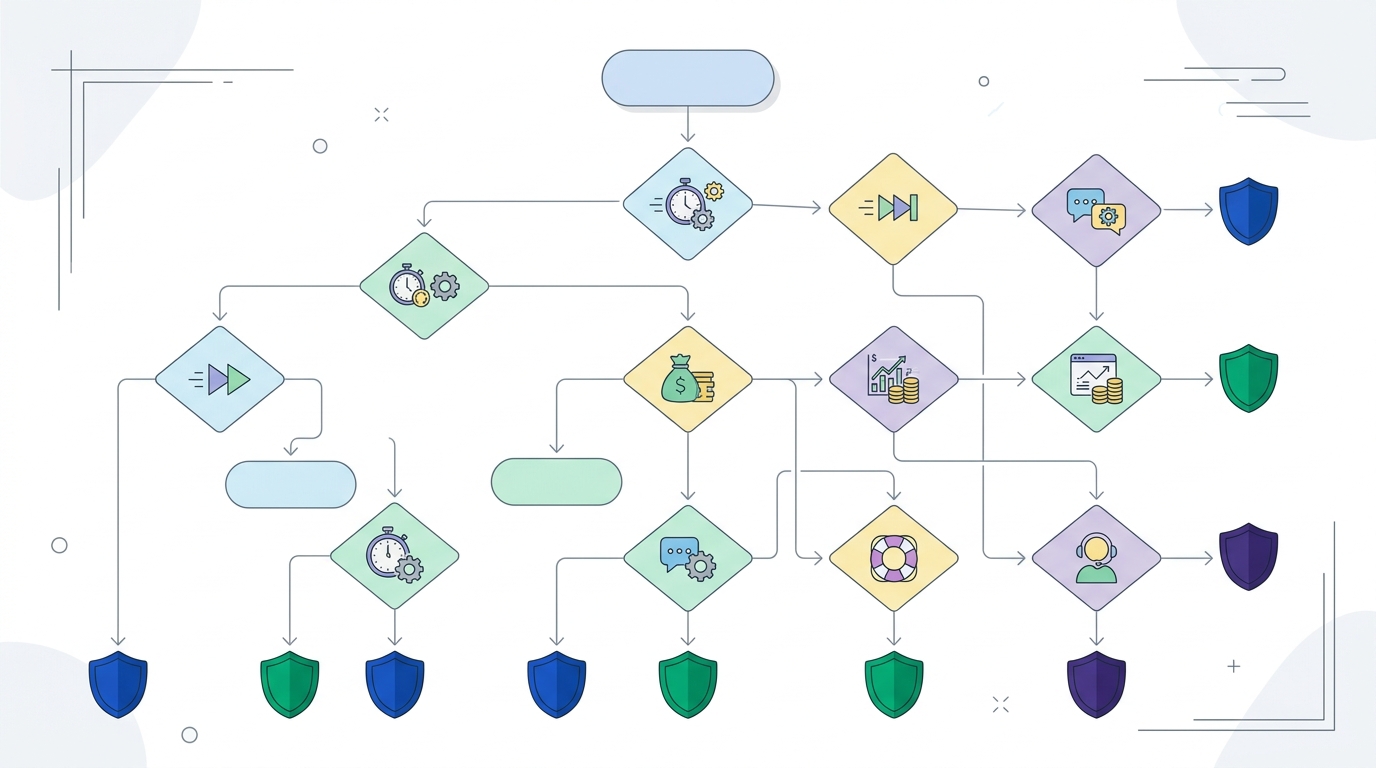
If under-50 numbers still look too high, cheaper options exist. Some vendors bundle the audit into the platform price, and some tools are open source. We compare them in compliance automation tools for early-stage startups.
Frequently asked questions
Are Vanta, Drata, and Secureframe basically the same?
For a standard SOC 2, they're closer than the marketing suggests. All three collect evidence automatically, manage policies and get you audit-ready. Below 200 employees their license ranges overlap almost completely, so your total cost depends more on the audit, the pentest, your internal hours and the renewal terms you negotiate.
Which is the cheapest?
On AWS Marketplace list prices for small teams, Secureframe starts at $7,500 platform + $7,500 first framework, Vanta's Essentials at $14,000 (1–20 employees), and Drata's 1–50 FTE package at $15,000. In Vendr's contract data, Secureframe has the lowest top of range at every size band. But the license is only one of four cost lines, and a cheap year one with no renewal cap can cost more over three years.
Does the platform include the actual audit?
No. The platform gets you ready, and an independent CPA firm performs the audit and issues the report, billed separately. Drata's cost guide puts Type 2 audits at $12K–$20K for small to midsize companies and $30K–$100K+ for large organizations.
How long does a first SOC 2 take with these tools?
A Type 1 can be audit-ready within weeks to a couple of months on a clean cloud stack. A Type 2 also needs an observation window, commonly 3–12 months, while the platform monitors your controls. The tool speeds up readiness but can't shorten the window your auditor requires.
Can I switch platforms later?
Yes, but you'll have to re-map controls and reconnect integrations, and that switching cost gives vendors leverage at renewal. Confirm evidence-export rights and a renewal cap before you sign.

Technology consultant with 10+ years in the Japanese tech industry. Specializing in SaaS evaluation, workflow automation, and B2B tool integration.