A SOC 2 Type 2 report typically costs $30,000 to $150,000 in the first year, all-in — audit fee, readiness work, tooling, and internal time — and takes 6 to 12 months from kickoff to final report. SOC 2 Type 1 is cheaper and faster (often $20,000 to $60,000 and 2 to 4 months) because it skips the multi-month observation period, but most enterprise and mid-market buyers now ask for Type 2 by default. The two figures aren't independent: the longer your observation window, the more internal time your team burns before the report even reaches an auditor's desk, so cost and timeline should be budgeted together, not separately.
| Report Type | Typical First-Year Cost | Timeline | What It Proves |
|---|---|---|---|
| SOC 2 Type 1 | $20,000 – $60,000 | 2 – 4 months | Controls are designed correctly, as of a single date |
| SOC 2 Type 2 | $30,000 – $150,000+ | 6 – 12 months | Controls actually operated effectively over 3–12 months |
Both figures are wide because company size, scope, and how much of your compliance program already exists before you start change the math dramatically. The rest of this guide breaks down exactly where the money and the months go, so you can build a defensible budget and timeline before you sign a contract with an auditor or a compliance platform.
What You're Actually Paying For
The audit fee — what a CPA firm charges to review your evidence and sign the report — is the number everyone asks about first. It's also, on its own, a poor predictor of total cost. Across the SOC 2 vendors and audit firms that publish cost guidance, the audit fee itself typically accounts for only 30% to 60% of what a company actually spends in year one. The rest is split across a readiness assessment, a compliance automation platform, a penetration test, and — the part almost nobody puts a dollar figure on until it's too late — the internal hours your security, engineering, HR, and legal teams spend building policies and gathering evidence.
| Cost Component | Typical Range | Notes |
|---|---|---|
| Audit fee (Type 1) | $5,000 – $40,000 | Paid to the licensed CPA firm; scales with scope and company size |
| Audit fee (Type 2) | $7,000 – $100,000+ | 30–50% higher than Type 1 because the auditor tests controls over time, not once |
| Readiness assessment / gap analysis | $5,000 – $25,000 | Pre-audit review that flags missing controls before the clock starts |
| Compliance automation platform | $7,500 – $80,000+/yr | Vanta, Drata, Secureframe, Sprinto and similar; none publish pricing publicly |
| Penetration test | $8,000 – $25,000 | Not formally required by the Trust Services Criteria, but expected in practice by most auditors |
| Legal / policy review | $5,000 – $15,000 | Drafting or reviewing security policies, DPAs, and vendor agreements |
| Internal team time | Often the single largest line item | Security, engineering, HR, and legal hours spent on evidence collection and remediation |
To make that last row concrete: illustrative first-year spend for a mid-sized SOC 2 Type 2 program tends to split roughly like this.
Choosing a Compliance Automation Platform
Vanta, Drata, and Secureframe cover the same core job but price and support very differently once you get past the sales call. See how they actually compare on cost.
SOC 2 Cost by Company Size
Team size is the single biggest driver of total cost, mostly because it changes how much internal coordination the audit requires — more employees usually means more systems, more access to review, and more people the auditor needs to interview.
| Company Size | Audit Fee | Platform (annual) | Total First Year |
|---|---|---|---|
| Startup (5–20 employees) | $20,000 – $35,000 | $0 – $10,000 | $30,000 – $70,000 |
| Small (20–50 employees) | $30,000 – $50,000 | $5,000 – $20,000 | $55,000 – $110,000 |
| Mid-size (50–200 employees) | $40,000 – $80,000 | $15,000 – $50,000 | $85,000 – $190,000 |
| Enterprise (200+ employees) | $80,000 – $150,000+ | $50,000+ | $150,000 – $250,000+ |
One number worth budgeting separately: year two. Once policies exist, controls are implemented, and your team knows what evidence an auditor wants, renewal audits commonly run 30% to 50% cheaper than the first year. If your board or finance team is comparing SOC 2 to a one-time expense, correct that assumption early — it's a recurring annual cost (audit re-certification plus platform subscription), typically landing between $15,000 and $40,000 per year once you're past year one, on top of whatever it takes to keep controls operating.
Type 1 vs. Type 2: Which One Changes Your Budget
The type you pursue affects cost and timeline more than any other single decision. SOC 2 Type 1 tests whether your controls are designed correctly on one specific date — essentially a snapshot. SOC 2 Type 2 tests whether those same controls actually operated effectively over a period of time, usually 3 to 12 months. That difference in scope is why Type 2 audit fees typically run 30% to 50% higher than Type 1, and why the timeline stretches from months to, potentially, most of a year.
Here's the trap worth knowing about before you commit to a path: doing Type 1 first and then Type 2 later almost always costs more in total than going straight to Type 2. You pay for two separate audit engagements, two rounds of evidence review, and two report deliverables — often $20,000 to $85,000 combined — versus $12,000 to $60,000+ for a single Type 2 engagement. Type 1 still has a legitimate use case: if a specific deal requires "a SOC 2 report" on a tight deadline and there's no time to run an observation period, a Type 1 can unblock that sales cycle. But most enterprise and mid-market buyers now specify Type 2 in security questionnaires and vendor RFPs by default, which means a standalone Type 1 usually just delays the report your actual buyers want.
| Type 1 | Type 2 | |
|---|---|---|
| Observation period | None — point in time | 3–12 months (6 is the common minimum most auditors expect) |
| Best for | Urgent deal deadlines, first-time proof of controls | Ongoing enterprise sales, most RFPs and security questionnaires |
| Buyer acceptance | Often accepted as an interim signal | Standard expectation for serious enterprise deals |
If your buyers are also asking about other frameworks alongside SOC 2 — which is increasingly common in enterprise procurement — it's worth scoping that at the same time rather than starting a second compliance project from scratch six months later. We've covered the cost and process differences in our GDPR compliance software comparison, and if any of your buyers are in the EU, our EU AI Act compliance checklist for B2B SaaS buyers is worth a read before you finalize scope. SOC 2 and ISO 27001 overlap in a lot of the same evidence, too — we go deeper on how ISO 27001 certification cost compares to SOC 2 in a separate guide.
The SOC 2 Timeline, Phase by Phase
"6 to 12 months" is accurate but not actionable on its own. Here's what actually happens inside that window, broken into the five phases that show up consistently across audit firms' own process documentation.
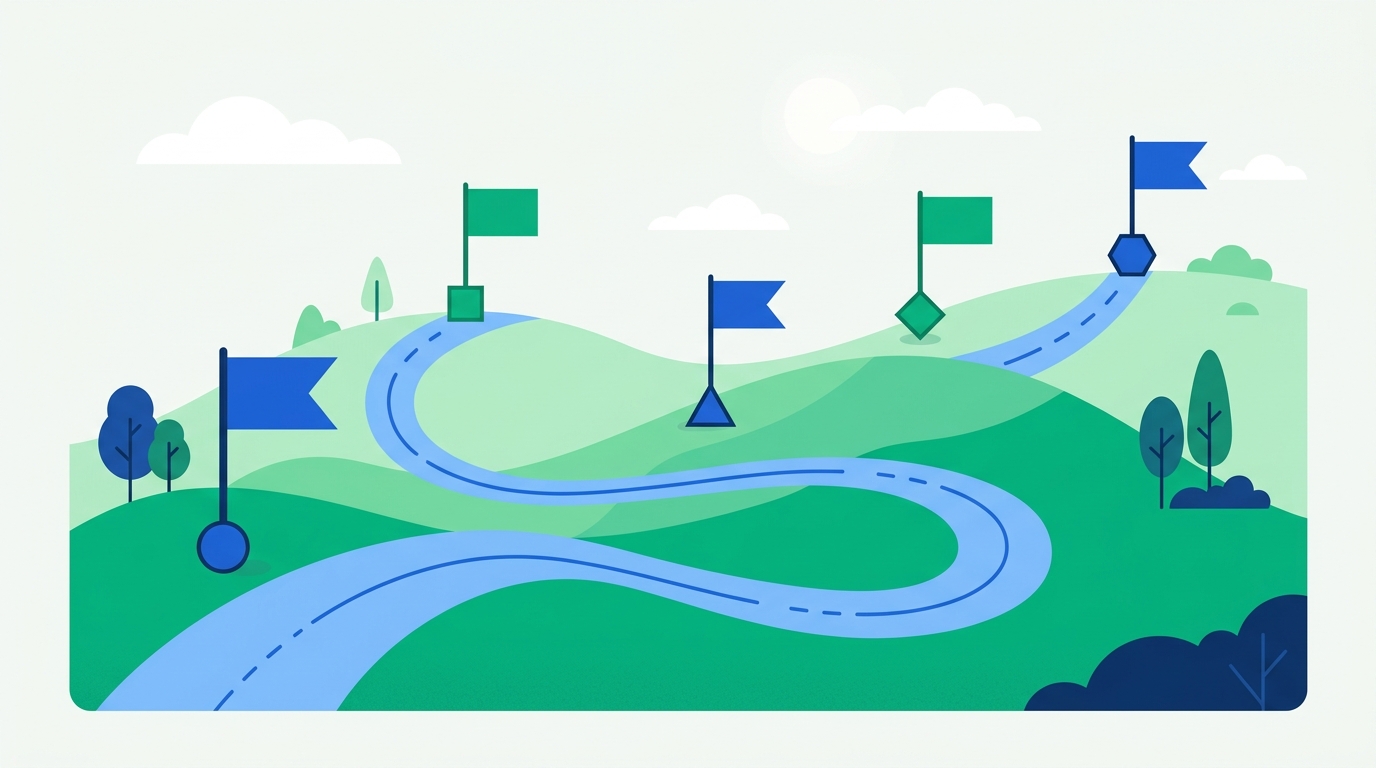
1. Readiness assessment & gap analysis 2–8 weeks
A consultant, auditor, or your compliance platform reviews your current state against the Trust Services Criteria and produces a list of gaps. Small teams with simple infrastructure can move through this in two to four weeks; complex, multi-product environments can take up to two months.
2. Remediation 4–16 weeks
You close the gaps the assessment found: writing policies, turning on logging, implementing access reviews, fixing whatever the gap analysis flagged. Teams with decent existing security hygiene can finish in about four weeks; teams starting from no formal program regularly need 12+ weeks here. This phase — not the audit itself — is where most timelines slip.
3. Observation period (Type 2 only) 3–12 months
The auditor needs evidence that your controls operated correctly over a stretch of real time, not just that they exist. Three months is the shortest window most auditors will accept; six months is what most actually expect, and it's the minimum we'd budget for a first report, since a longer window signals more maturity to enterprise buyers evaluating your report later. Type 1 skips this phase entirely, which is the whole reason it's faster.
4. Audit fieldwork 2–6 weeks
The CPA firm tests your evidence, interviews relevant staff, and validates that controls held up during the observation window. Well-organized evidence (usually meaning a compliance platform did the collecting automatically) keeps this closer to two weeks; manual evidence gathering stretches it toward six.
5. Report issuance 2–4 weeks
Internal quality control and sign-off at the audit firm before you receive the final report you can actually share with prospects and customers.
Add it up for a first-time Type 2 report with a six-month observation window and reasonably prepared systems, and you land close to nine months from kickoff to final report — which is why "6 to 12 months" is the honest range rather than a marketing rounding-down to "as fast as 6 months."
Why It Costs What It Costs
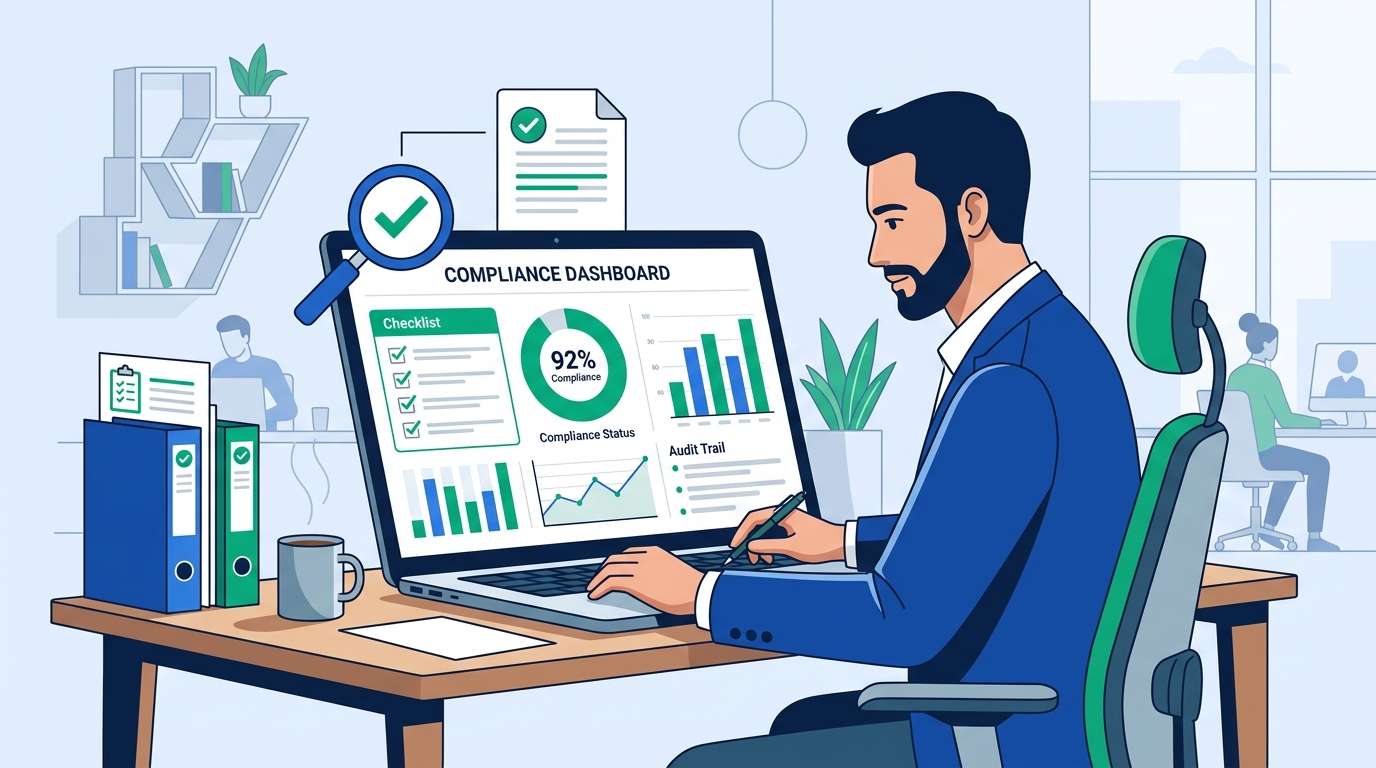
Three structural factors explain most of the sticker shock, and none of them are things a vendor can simply discount away.
The audit has to be performed by a licensed CPA
A SOC 2 report can only be issued by a state-licensed CPA firm that is a member of the AICPA, has passed peer review, and is independent of the company being audited. That's a small, specialized labor pool — not a commodity service — which keeps rates higher than general IT consulting.
Type 2 tests controls, not just documents
Anyone can write a policy in an afternoon. Proving that access reviews, offboarding, and change management actually happened correctly across dozens or hundreds of events over several months takes real auditor hours, which is reflected directly in the fee.
The real cost is spread across your org chart
SOC 2 touches security tooling, but it also touches HR (background checks, onboarding/offboarding records), legal (vendor contracts, data processing agreements), and engineering (change management, access controls, logging). Every one of those teams spends real hours on evidence — hours that don't show up on the audit invoice but absolutely show up in the total cost of getting certified.
Not Sure Where Your Gaps Are?
A short readiness assessment before you commit to an audit date is usually cheaper than the remediation surprises an auditor finds mid-engagement.
How to Reduce Cost Without Cutting Corners

None of the following shortcuts the audit itself — SOC 2 doesn't have a "budget tier" — but each one reliably brings the total down without weakening the report.
- Run the readiness assessment before you set an audit start date. Companies that skip it often face two to three times the remediation cost once an auditor finds gaps mid-engagement, because fixing something after the observation period has already started can mean restarting the clock on that control.
- Go straight to Type 2 if your buyers will eventually need it anyway. As covered above, the sequential Type 1 → Type 2 path is almost always the more expensive route.
- Automate evidence collection. Compliance automation platforms reduce total program cost by an estimated 30% to 50% by continuously pulling evidence from your cloud, HR, and identity systems instead of someone manually screenshotting settings every month. Budget $7,500 to $20,000 a year for a single-framework SOC 2 setup under 50 employees — and negotiate; none of the major platforms publish pricing, and multi-year commitments typically get 10% to 20% off list.
- Scope your Trust Services Criteria deliberately. Security is the only mandatory criterion. Adding Availability, Confidentiality, Processing Integrity, or Privacy because "it seems thorough" expands both the audit fee and the evidence burden — only add what your actual buyers are asking for.
- Watch renewal pricing. Both audit firms and automation platforms have a pattern of raising prices at renewal once your program is built around them. Get multi-year pricing in writing during the first negotiation, not after you're locked in.
A Realistic Budget Scenario
Ranges are useful for planning; a worked example is useful for sanity-checking a quote. Here's what a straightforward first-time SOC 2 Type 2 engagement tends to look like for a 35-person SaaS company with standard AWS infrastructure and no prior formal security program.
35-Person SaaS Company — First SOC 2 Type 2
- Readiness assessment & gap analysis: $9,000
- Remediation (mostly internal engineering and IT time): ~$15,000 equivalent
- Compliance automation platform (annual): $12,000
- Penetration test: $14,000
- Audit fee (Type 2, 6-month observation window): $18,000
That lands squarely inside the "Small (20–50 employees)" range from the table above, and it's a reasonable anchor to bring into your own vendor conversations — if a quote comes in dramatically above or below this shape for a similarly sized, similarly scoped company, ask what's different before you sign.
Is There a Personal SOC 2 Certification?
Worth clearing up, since the search term comes up almost as often as the cost question: no. SOC 2 is an attestation about an organization's controls — there's no exam or credential an individual can earn that says "SOC 2 certified." If you're researching this as a career path rather than a company compliance project, the relevant individual qualifications are a CPA license (required to sign SOC 2 reports as the auditor of record) combined with an information security certification such as CISA or CISM, which most SOC 2 auditors and in-house GRC professionals hold alongside their core credential.
Building Compliance Skills In-House
If your team is planning to own SOC 2 evidence collection and future audits internally rather than outsourcing it entirely, structured GRC training pays for itself fast.
Frequently Asked Questions
How long does it take to get SOC 2 certified?
How much does it cost to get SOC 2 certified?
Why is SOC 2 so expensive?
Is SOC 2 hard to get?
Is there a personal SOC 2 certification?
References & Sources
- Sprinto — How Much Does SOC 2 Compliance Audit Cost in 2026?
- StrongDM — SOC 2 Budget: How Much Does SOC 2 Cost in 2026?
- Secureframe — How Long Does a SOC 2 Audit Take?
- Vanta — How Long Does a SOC 2 Audit Take?
- Drata — SOC 2 Type 1 vs. Type 2: Timeline, Cost, and Key Differences
- Astra — SOC 2 Penetration Testing Requirements

Technology consultant with 10+ years in the Japanese tech industry. Specializing in SaaS evaluation, workflow automation, and B2B tool integration.